

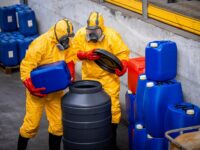
Hazardous Materials Handling and Safety refers to the procedures, practices, and regulations for safely managing materials that pose risks to health, property, or the environment. These materials may include chemicals, flammable substances, toxic agents, or radioactive materials.
Key aspects include:
- Identification and Classification: Labeling and categorizing hazardous materials according to their physical, chemical, and health hazards (e.g., using GHS or NFPA standards).
- Storage: Storing hazardous materials in approved, secure containers and locations to prevent leaks, spills, or contamination.
- Handling Procedures: Using appropriate techniques, equipment, and tools to avoid accidents or exposure during transport, use, or disposal.
- Personal Protective Equipment (PPE): Ensuring workers wear suitable gear, such as gloves, goggles, or respirators, to minimize exposure risks.
- Emergency Preparedness: Having plans in place to address spills, leaks, or accidents, including containment, cleanup, and evacuation protocols.
- Training: Educating employees on the hazards of materials they work with and proper handling, storage, and disposal techniques.
Adhering to regulations like OSHA’s Hazard Communication Standard (HazCom) or the EPA’s guidelines ensures compliance and reduces risks to workers and the environment.
Curriculum
- 5 Sections
- 5 Lessons
- 5 Days
Expand all sectionsCollapse all sections
- Day 12
- Day 22
- Day 32
- Day 42
- Day 52

Limited time offer R1,500.00
More Courses

Working in Confined Spaces
R3,000.00
Working at Heights Safety
R2,000.00
Ergonomics in the Workplace
R1,000.00


