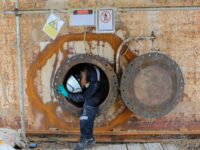
Confined Space Entry and Safety refers to the practices and precautions necessary for working in spaces that are not designed for continuous occupancy but are large enough for workers to enter and perform tasks. Examples include tanks, silos, manholes, and pipelines.
Key safety considerations include:
Hazard Identification: Confined spaces often have risks like poor ventilation, toxic gases, oxygen deficiency, or the potential for engulfment.
Permit-to-Work System: Ensuring only authorized personnel enter with proper documentation.
Atmospheric Testing: Monitoring air quality for oxygen levels, flammable gases, and toxic substances before and during entry.
Emergency Preparedness: Having rescue plans, trained personnel, and necessary equipment in case of incidents.
Personal Protective Equipment (PPE): Providing appropriate gear like harnesses, respirators, and protective clothing.
Proper training and adherence to regulations are essential to prevent accidents and ensure worker safety.